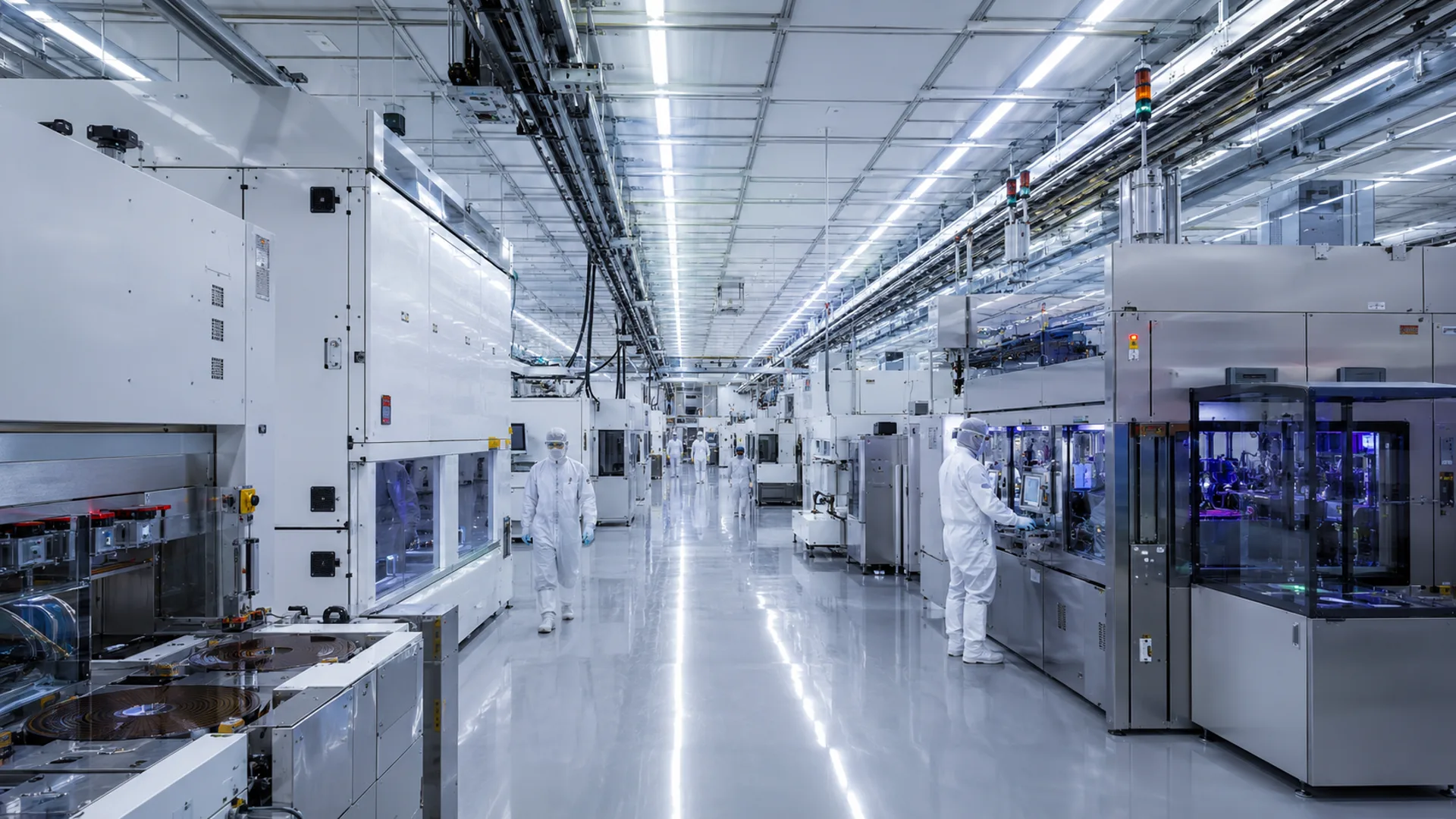
Semiconductor Fab Commissioning
Commissioning at Nanometer Tolerances, Not Just Building Systems
Cleanroom, ultra-pure water, process chemical, and tool install readiness verified independently, before you claim the fab is ready.
Talk to Our Fab TeamCleanroom Commissioning
ISO 5 and ISO 7 cleanrooms demand different airflow, materials, and construction tolerances entirely — and none of it is verified by a single point-in-time reading. We test particle counts and pressure differentials across real operating conditions, because airflow balancing in a semiconductor cleanroom is an iterative process that fights the building itself.
Ultra-Pure Water and Process Chemical Delivery
These systems don't commission on a mechanical startup timeline. Ultra-pure water startup takes weeks, not days, and process chemical delivery requires verification most general commissioning teams have never actually performed. This is where fab-specific expertise stops being optional.
Tool Install Readiness
"Fab complete" means the facility is verified ready to receive process tools — power, gas, water, and environmental conditions confirmed to the tool vendor's actual requirements, not just a building that looks finished on a walk-through.
What We Verify
- Cleanroom classification and airflow balancing
- Ultra-pure water system startup
- Process chemical delivery systems
- Vibration and environmental tolerances
- Tool install readiness
Semiconductor Fab Commissioning: Deep Dives
What Makes Semiconductor Fab MEP Systems Uniquely Unforgiving
Fab MEP systems aren't just more complex versions of ordinary building systems. The tolerances and interdependencies make them unforgiving in a different way.
The Traceability Problem: Why Material Certs Matter More on Fab Projects
On fab projects, material certs are traceability evidence, not paperwork, and gaps there create real contamination and compliance risk.
Ultra-Pure Water Systems: Why Startup Takes Weeks, Not Days
Ultra-pure water systems can't be rushed to startup; passivation and instrumentation checks take weeks for good reason.
How to Choose a Semiconductor Fab Commissioning Firm: The Questions That Expose a Lightweight
Cleanroom experience on a firm's website is easy to claim. A handful of specific questions separate the firms that can actually back it up from the ones that can't.
Cleanroom Classifications: What ISO 5 vs. ISO 7 Actually Means for Construction
ISO 5 and ISO 7 aren't just cleaner and less clean. They demand different airflow, materials, and construction tolerances entirely.
What Semiconductor Site Selection Actually Weighs in 2026
Site selection conversations tend to focus on incentives and land cost. The factors that actually determine whether a fab hits its production timeline are usually further down the list.
Frequently Asked Questions
What does cleanroom commissioning actually verify?
Cleanroom commissioning verifies airflow, pressure differentials, and particle counts hold to the specified ISO classification under real operating conditions — not a single favorable snapshot, but sustained performance through the range of conditions the cleanroom will actually operate under.
Why does fab commissioning take longer than commissioning for other facility types?
Airflow balancing in a semiconductor cleanroom is an iterative process that fights the building itself, and ultra-pure water and specialty gas systems require startup sequences measured in weeks, not days. Schedules that treat these as standard mechanical checklist items are the ones that slip.
What's tool install readiness, and why does it matter for the schedule?
"Fab complete" doesn't mean the building is done — it means the facility is actually ready to receive process tools, with power, gas, water, and environmental conditions verified to the tool vendor's requirements. Commissioning that skips this step hands over a building that looks finished but isn't actually ready for equipment install.
Get Fab-Specific Commissioning Expertise
Not a generalist team learning cleanrooms on your schedule — decades in the Phoenix fab corridor.
Contact FusionIRX